Finding Packaging Boxes on the Market: Find the Best Offers on Packing Options!
Exploring packing boxes for sale reveals a vast array of options suited for various needs. From classic cardboard to innovative eco-friendly options, consumers can find solutions tailored to their moving or storage demands. Price comparisons across local retailers and online platforms can expose considerable savings. However, comprehending the factors that influence box costs is crucial. The journey into the world of packing solutions is just beginning, and there are numerous factors to consider.
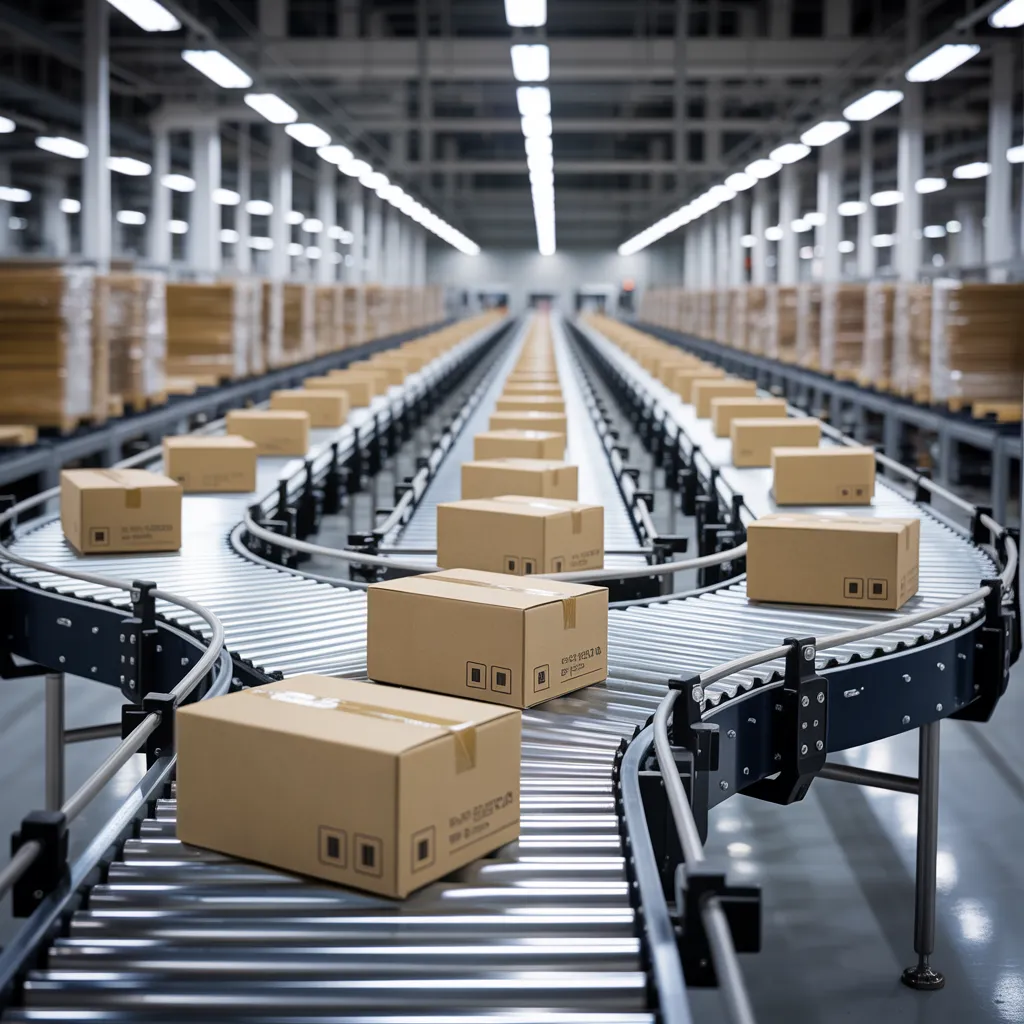
Different Types of Packing Boxes to Choose From
Various types of packing boxes exist, each designed to meet specific needs. Cardboard boxes are the most common, ideal for lightweight items and easy to assemble. They're offered in multiple sizes, spanning from tiny to extra-large, accommodating a range of products. For more delicate items, there are specialty boxes, like boxes featuring compartments, which deliver enhanced safety during shipping. Plastic packing boxes deliver strength and humidity defense, making them appropriate for prolonged storage or shipment of fragile products. For heavy or bulky items, double-walled boxes supply extra sturdiness and stability. Furthermore, flat-pack boxes exist, which are designed for easy storage when not in use. Every variety fulfills a distinct function, making certain that consumers and organizations can discover the ideal packaging answer for their unique demands. Comprehending these choices is essential for efficient packaging and transportation, finally leading to a more streamlined logistics operation.
Where to Find Budget-Friendly Packing Boxes
Locating inexpensive packing boxes can be realized through several channels. Nearby retail stores frequently have spare boxes in stock, while online marketplace platforms present a broad selection at attractive prices. Also, wholesale packaging suppliers offer bulk options that can significantly reduce costs for those wanting greater quantities.
Regional Retail Shop Options
While many online retailers offer convenient options for purchasing packing boxes, local retail stores remain an excellent resource for those seeking affordable alternatives. Big-box retailers, such as Walmart and Target, typically have a variety of packing boxes at competitive prices. Community hardware outlets or home renovation stores commonly have vital packing items in stock also. Moreover, food stores and alcohol retailers regularly have leftover boxes accessible complimentary or at a small price, creating them a worthwhile alternative for price-sensitive buyers. Thrift stores and community centers may also provide packing materials, and checking local classifieds can yield hidden gems. By exploring these local avenues, individuals can find economical packing solutions that meet their needs without incurring shipping costs.
Digital Marketplace Platforms
For those who prefer the convenience of ordering remotely, online marketplace platforms provide a broad selection of packing boxes at competitive prices. Websites such as Amazon, eBay, and Etsy accommodate different needs, providing options ranging from standard cardboard boxes to specialized packaging solutions. Shoppers can effortlessly compare prices, read customer reviews, and review different sellers, making certain they find the best deals. In addition, many platforms feature bulk purchasing options, making it simpler for businesses or individuals seeking larger quantities. With easy-to-use interfaces and convenient shipping options, online marketplaces streamline the process of sourcing packing materials. As a result, consumers can swiftly locate affordable packing boxes without the hassle of visiting physical stores.
Wholesale Package Vendors
While looking for affordable packing boxes, wholesale packaging suppliers represent an excellent option for both businesses and individuals. These suppliers typically provide bulk purchasing options, resulting in significant savings on packaging materials. By sourcing directly from manufacturers or distributors, customers can access a wide variety of box sizes, styles, and materials to match their specific needs. Many wholesale suppliers also provide customization services, allowing customers to brand their packaging effectively. In addition, online directories and trade shows can help identify reputable wholesalers, providing quality and reliability. Overall, choosing wholesale packaging suppliers can streamline the purchasing process while maximizing value, making them a preferred choice for those looking to reduce costs without compromising on quality.
Eco-Friendly Packing Boxes for Green Moving
With the growing demand for sustainable solutions, environmentally conscious packing boxes have become an essential component of responsible moving practices. These boxes, usually constructed from recycled materials or biodegradable substances, provide a practical substitute for traditional packaging options, considerably reducing environmental impact. Many consumers are now prioritizing sustainability, recognizing that their choices during relocation can support environmental wellness.
Sustainable packing boxes are crafted to be sturdy and reliable while limiting waste. Manufacturers committed to sustainable packaging have produced innovative designs that ensure durability without compromising ecological integrity. Moreover, these boxes are typically reusable, fostering multiple uses before disposal.
Opting for eco-friendly packing alternatives not only matches a person's values but also encourages a circular economy. As recognition of environmental issues continues to grow, the market for eco-friendly packing boxes is anticipated to expand, offering more alternatives for consumers committed to sustainable moving practices.
How to Choose the Correct Size for Your Specific Needs
Choosing the appropriate size of packing boxes is crucial for an smooth moving experience. A thoughtful assessment of the items requiring transport will help determine the correct dimensions. Larger boxes are suitable for lightweight items, such as bedding or clothing, while smaller boxes are perfect for heavier objects like books or fragile items.
It's crucial to prevent overpacking boxes, as this may result in damage or injury in the course of the moving process. Additionally, using boxes that are too big may result in wasted space and unstable stacking.
To guarantee proper fit, it's important to measure the largest items and consider grouping similarly-sized objects together. This approach not only maximizes space but also eases the unpacking process. In the end, picking the right size packing boxes can enhance organization, protect items, and streamline the overall moving experience, making it easier and more effective for anyone involved.
Techniques for Acquiring Packing Boxes in Bulk
When buying packing boxes in bulk, it is crucial to assess bulk pricing options to guarantee cost-effectiveness. Moreover, assessing box quality standards can avert issues during storage and shipping. Reviewing local suppliers' offers may expose beneficial deals and increase read the facts convenience in procurement.
Review High-Volume Price Points
While countless businesses search for economical choices for their shipping needs, analyzing bulk pricing options for packing boxes can produce significant savings. By assessing different suppliers, companies can identify the top bargains customized for their specific requirements. It is important to analyze price breaks at different quantity thresholds, as purchasing larger volumes frequently produces lower per-unit costs. In addition, businesses should factor in shipping costs, as some suppliers feature free delivery for bulk orders, increasing overall savings. Building a relationship with reputable vendors can also generate discounts and promotions over time. Finally, detailed research and strategic comparisons empower businesses to optimize their packing expenses, guaranteeing they remain competitive in their respective markets.
Evaluate Box Quality Guidelines
Comprehending box quality standards is vital for businesses seeking to purchase packing boxes in bulk. Premium boxes guarantee product protection, reduce damage during transit, and enhance brand reputation. Key factors to evaluate include material composition, weight capacity, and durability. Corrugated cardboard is often chosen for its strength and versatility, while single-wall boxes may suffice for lighter items. Furthermore, businesses should assess the box's resistance to moisture and temperature fluctuations. Compliance with industry standards, such as ISTA or ASTM testing, can also indicate reliability. By focusing on these quality standards, companies can make educated decisions, guaranteeing their products arrive safely at their destination while optimizing packaging costs. Quality evaluation ultimately contributes to operational efficiency and customer satisfaction.
Investigate Local Suppliers' Specials
How can businesses effectively tap into local suppliers to secure the best deals on packing boxes? Via detailed research, businesses can discover regional suppliers with bulk purchase capabilities. Developing partnerships with regional vendors can produce enhanced pricing and tailored service, simplifying beneficial agreement discussions. Additionally, visiting local suppliers allows businesses to inspect box quality firsthand, ensuring suitability for their needs. Taking part in community commerce events or professional meetings can additionally produce beneficial relationships and awareness of local market dynamics. Companies might explore employing internet platforms to assess deals and study ratings, confirming they select credible suppliers. By combining these strategies, businesses can maximize their savings while supporting the local economy.
What Makes Packing Boxes So Expensive?
The cost of packing boxes can vary considerably based on several key factors. A key element is the type of material used for their production. High-quality materials, such as double-wall corrugated cardboard or specialty boxes, can drive up prices. Moreover, the size and measurements of the boxes fulfill a vital role; bigger or specially-sized boxes typically carry a steeper price because of greater material expenses and production intricacy.
Another crucial aspect is the quantity purchased. Wholesale quantities typically present more favorable pricing, while smaller orders may lead to higher per-unit costs. Furthermore, enhanced characteristics like moisture resistance, printing, or custom designs can increase prices substantially. Finally, market fluctuations, like changes in raw material costs or shipping expenses, can impact overall pricing. Grasping these factors helps purchasers make educated decisions when choosing packing boxes that meet their budget and requirements.
Leading Online Retailers for Packing Supplies
While searching for packing supplies online, consumers often discover a variety of retailers that cater to various needs and budgets. Amazon is prominent as a top choice due to its vast selection and competitive pricing, offering everything from cardboard boxes to packing tape. ULINE is another reliable retailer, known for its top-quality packing materials and bulk purchasing options, well-suited for businesses. For those seeking sustainable solutions, Eco-Box specializes in sustainable packaging products. Staples provides a reliable option for office supplies, including packing supplies, often with same-day pickup availability. Also, Walmart offers affordable options for consumers wanting convenience and quick delivery. Each of these retailers presents unique advantages, enabling consumers to compare prices and product quality to find the best deals on packing supplies. By shopping around, individuals can guarantee they receive the most suitable packing solutions for their particular needs.
Ways to Use Packing Boxes Other Than Moving
A lot of people overlook the multi-purpose nature of packing boxes apart from their main use for moving. These boxes can offer a range of purposes in everyday life. For example, they can be transformed into storage solutions for seasonal items, maintaining spaces well-organized and clutter-free. Packing boxes are also great for crafting projects; with some creativity, they can be made into decorative organizers or playhouses for children.
In addition, packing boxes can facilitate a home office setup, delivering sturdy compartments for documents and supplies. They are also valuable for shipping items, making sure fragile goods are protected during transit. Many individuals recycle packing boxes for garage sales, efficiently grouping similar items for easy access. Overall, packing boxes are not just for relocation; their functionality extends into various aspects of daily living, making them a valuable resource for both organization and creativity.
Questions & Answers
Is It Possible to Customize Packing Boxes Featuring My Own Branding?
Yes, many companies offer customization options for packing boxes, allowing individuals to add their own branding. This includes choices in design, colors, and logos, enhancing brand visibility and providing a professional touch to packaging.
What Are Packing Boxes Usually Made From?
Packaging boxes are typically made from materials such as corrugated cardboard, paperboard, and plastic. Such materials deliver structural integrity and durability, making them ideal for different shipping and storage demands across various industries and applications.
How Should I Store Empty Packing Boxes?
Store empty packing boxes in a flat position to maximize space, ideally in a dry, cool area. Stacking them neatly or using storage bins can help maintain organization and avoid harm caused by pests or moisture.
Do Packing Boxes Have Weight Limits?
Indeed, packing boxes feature weight restrictions that depend on their construction material and size. Conventional cardboard boxes commonly accommodate between 30 to 65 pounds, whereas industrial-strength choices deliver higher weight tolerances, ensuring safe transport and storage.
Is It Possible for Packing Boxes Be Recycled After Use?
Cardboard packing boxes are generally recyclable following use, provided they are clean and free of contaminants. Many recycling facilities accept cardboard, rendering it an environmentally conscious disposal method and supporting eco-friendly packaging practices.